1. Global Recognition: When Innovation Works for People
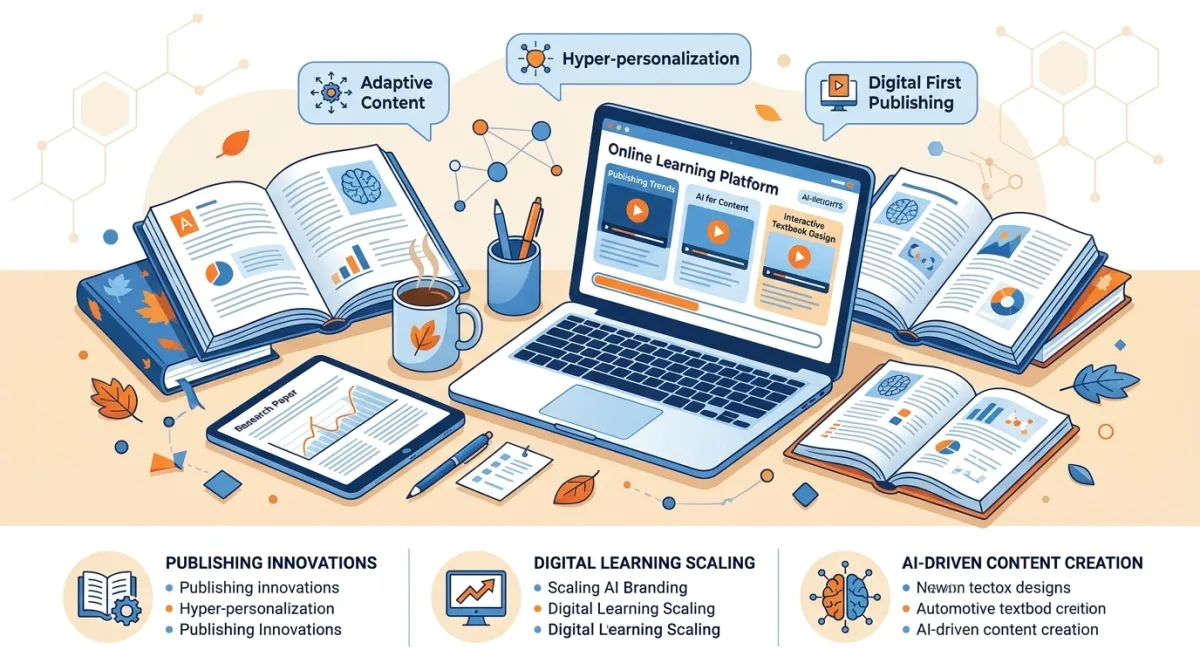
At the end of September, the Oxford Digital platform (developed by OUP in Australia) reached the top ten finalists of the prestigious Global EdTech Prize in the non-profit category. The secret to its success is simple yet effective: the platform doesn't try to "throw out" traditional books, but rather creates a perfect balance between printed materials, user-friendly digital tools, and methodical support for teachers. This is proof that technology should serve the curriculum, not the other way around.
2. Gadgets in the Classroom: Assistants or Distractions?
This autumn, OUP published the results of a large-scale survey involving 400 teachers and 600 secondary school students from four countries around the world.
60% of teachers unanimously state that digital tools significantly boost student engagement in the learning process.
However, there is another side to the coin: 52% of educators and 47% of students identified digital distraction as the main challenge in the modern classroom. The conclusion is clear: the success of digital learning depends not on the number of devices, but on clear lesson structure and media literacy skills.
3. Artificial Intelligence in Textbooks: OUP Expands Trove Capabilities
The publisher continues to actively integrate artificial intelligence into its learning platforms. Following the successful launch of Law Trove, the company deployed the AI Study Assistant across Business, Politics, and Science Trove platforms. Now, the intelligent assistant helps students process complex materials: it generates summaries, answers questions, and creates practice tests based on verified OUP textbooks. In the Science Trove section, AI has gone even further — supplementing answers with precise illustrations and diagrams from official academic sources.
4. Digital Pedagogy: The Goal Matters, Not Just the Technology
How can one avoid getting lost in the world of new apps and platforms? Ben Knight, Head of Language Content, Research, and Pedagogy at OUP, answered this question. According to him, teacher professional development should focus on one key question: how exactly does this technological tool help achieve a specific educational goal? OUP emphasizes the importance of close collaboration with school leaders to ensure that the adoption of new technologies is intentional rather than chaotic.
Summary: The autumn updates from Oxford University Press demonstrate that the education of the future is not a struggle between screens and paper, but their smart synergy — where technology and artificial intelligence empower the learner, while the wise teacher consistently plays the leading role.